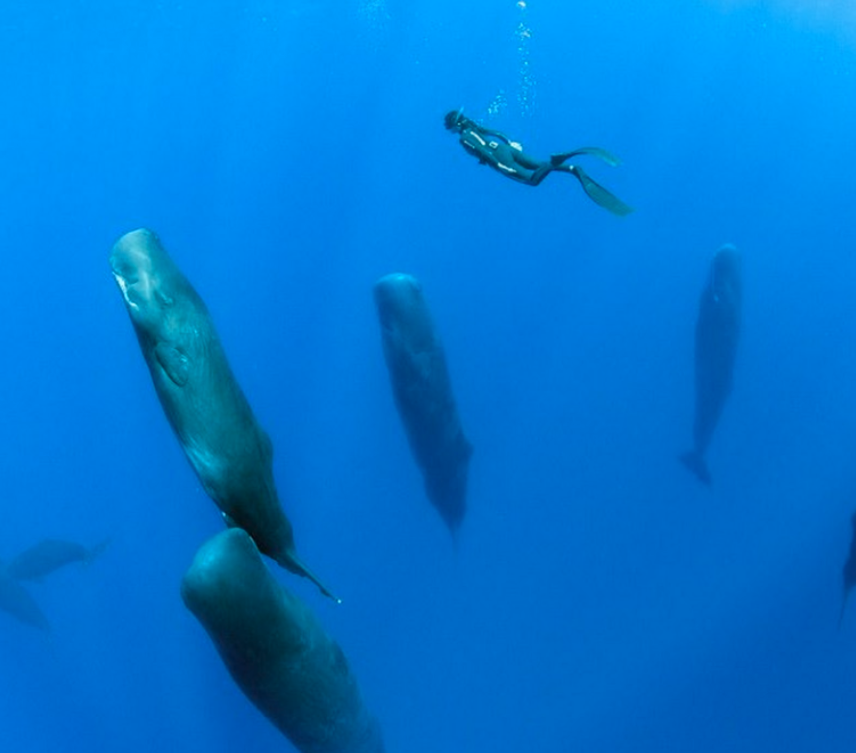
Sperm whales, the gentle giants of the ocean, have long fascinated scientists and nature enthusiasts alike. A recent photographic expedition by Franco Banfi has shed light on one of the most mesmerizing aspects of these creatures: their unique sleeping behavior.
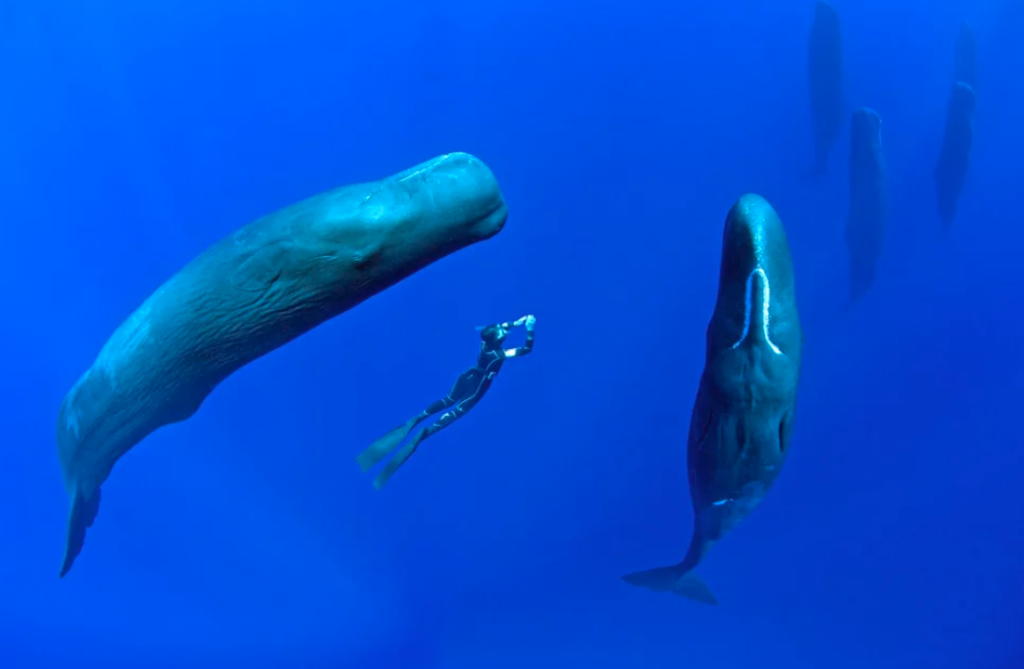
Discovery of Vertical Sleep
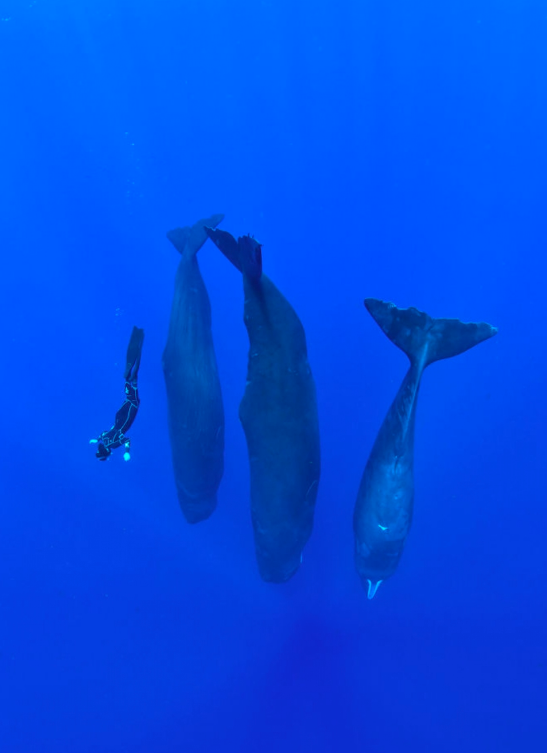
For years, the question of whether sperm whales slept was met with speculation until a definitive moment in 2008. During a joint research expedition, scientists from Japan and Great Britain accidentally encountered a pod of sperm whales suspended upright in the water, completely motionless. This unusual posture intrigued the scientific community and prompted further investigation.
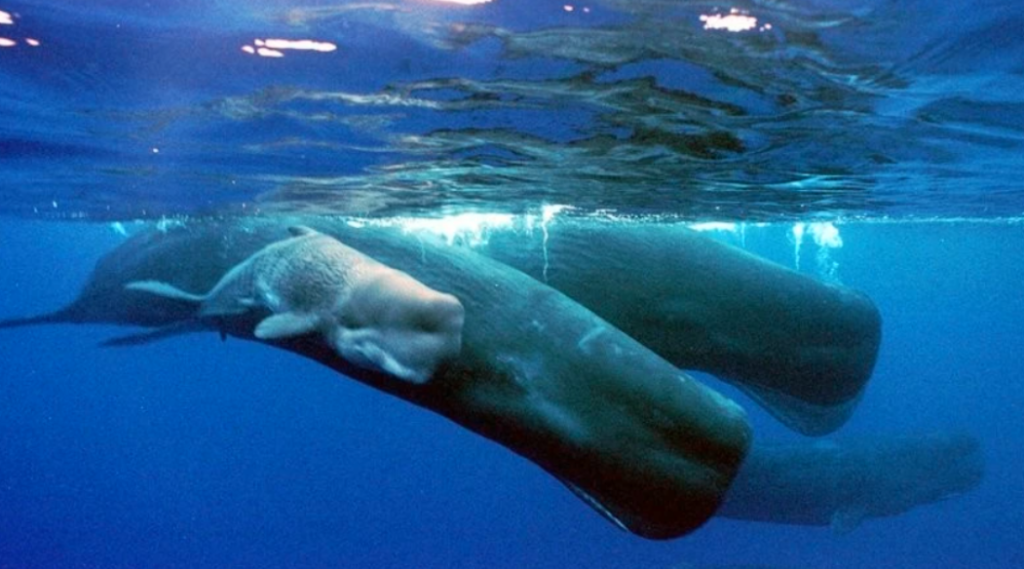
Insights Into Sperm Whale Slumber
Subsequent studies revealed that sperm whales spend approximately 7% of their life asleep, quite minimal compared to humans. Their sleep occurs in short bursts ranging from 6 to 24 minutes. This brief sleep duration suggests that sperm whales have adapted to maximize alertness and maintain necessary bodily functions in their aquatic environment.
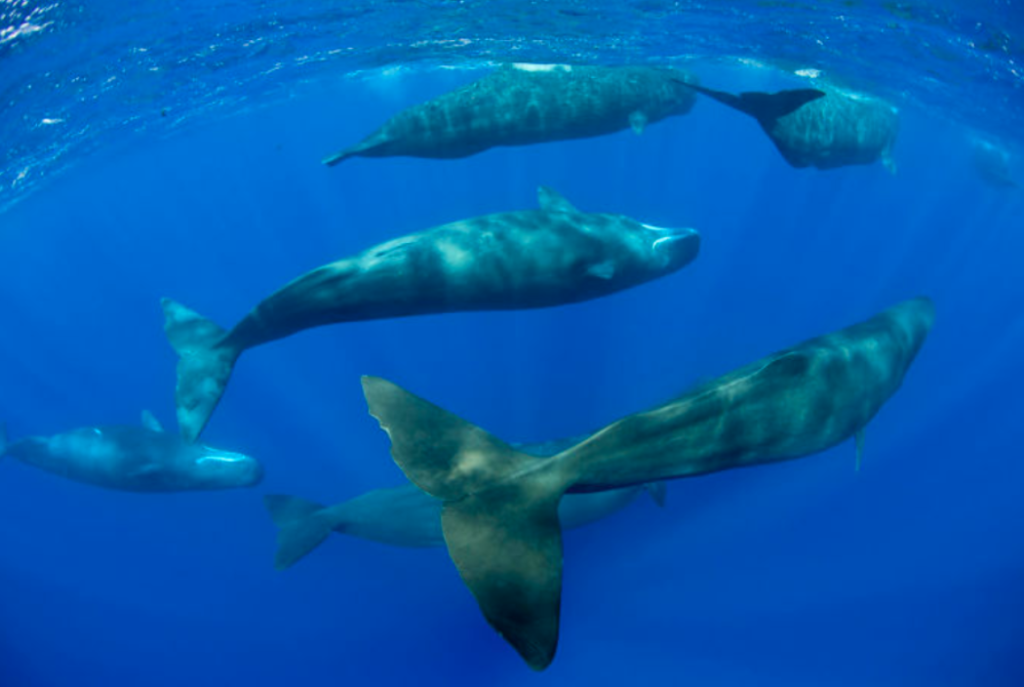
Capturing the Sleeping Giants
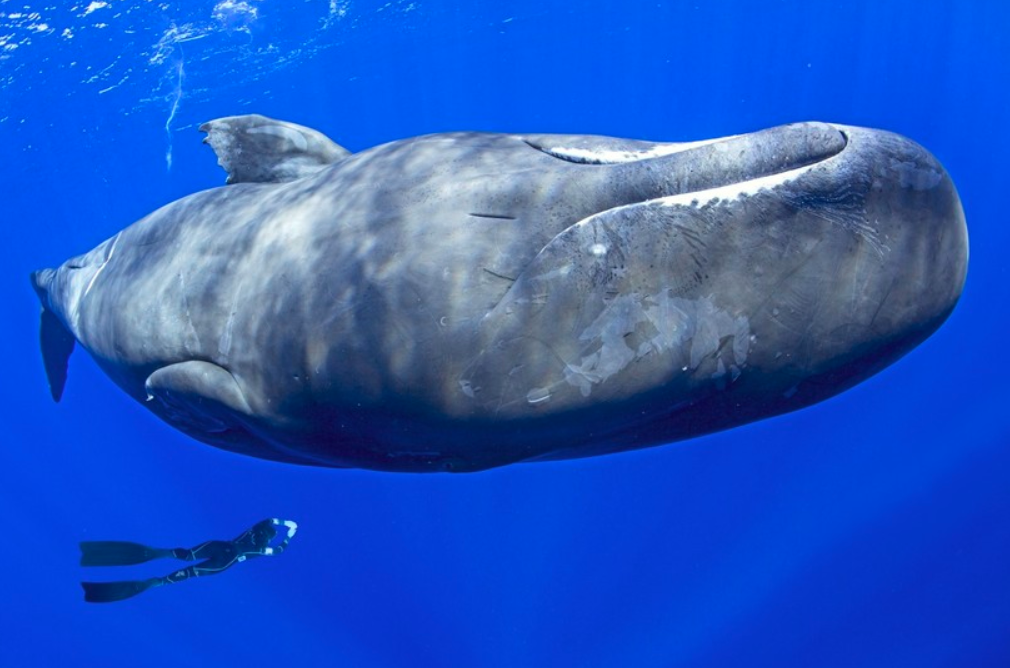
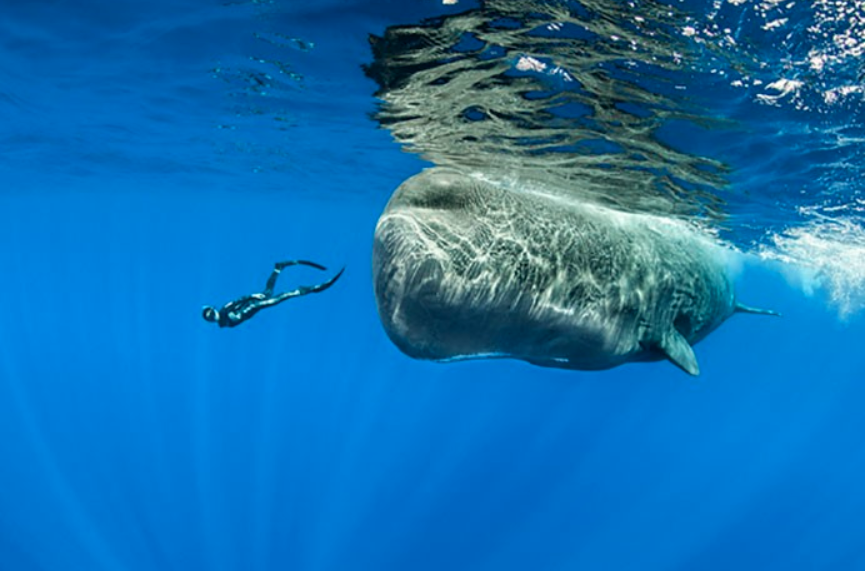
Franco Banfi’s recent expedition has brought stunning visual confirmation of these findings. With Sabrina Belloni acting as the diver-model, Banfi’s photographs vividly depict the colossal size and tranquil poise of the sleeping sperm whales. These images offer a rare glimpse into the peaceful moments of one of the ocean’s most majestic inhabitants.
The Significance of Banfi’s Work
Banfi’s work not only enriches our understanding of sperm whale behavior but also highlights the serene beauty of these marine behemoths in their natural habitat. By capturing these giants in their most vulnerable state, Banfi bridges the gap between human perception and the mysterious lives of sperm whales.
The photographs are a testament to the complexities of marine life and serve as a reminder of the wonders that lie beneath the ocean’s surface. They underscore the importance of ongoing marine research and conservation efforts to protect these magnificent creatures and their environment.